Newsletter - How to keep insurance costs down
Information from our insurance partner Business Choice Direct



Running a courier fleet involves more than keeping vehicles on the road and deliveries on schedule. Transport Operators must also manage driver risks, control operating costs and ensure their insurance reflects the way their business operates.
Taking a proactive approach to fleet management can help reduce avoidable accidents, vehicle downtime and claims, while supporting a stronger position when insurance is reviewed.
Business Choice Direct (BCD), a specialist courier insurance and fleet insurance broker, share practical ways to help NCDA members manage fleet risks and keep costs under control.
1. Keep vehicles safe and well maintained
Regular vehicle checks and preventative maintenance are essential for reducing breakdowns, accidents and unnecessary repair costs.
Transport Operators should have a consistent process in place to ensure:
Reviewing vehicle inspection records can highlight recurring defects and help managers address problems before they result in costly repairs, vehicle downtime or insurance claims.
2. Improve driver management and accountability
Drivers have a significant influence on fleet safety and operating costs. Effective driver management can help reduce accidents, protect employees and limit disruption. Consider introducing the following measures:
Some operators also introduce driver excess contribution policies, where drivers may be required to contribute towards the insurance excess following an at-fault accident. If considering this approach, businesses should ensure any arrangements are clearly communicated, fair and consistent with employment agreements and relevant requirements.
A combination of monitoring, training and accountability can help create a stronger safety culture and demonstrate to insurers that risks are being actively managed.
3. Report accidents promptly and manage claims
How an accident is reported and managed can make a difference to the claims process and the overall cost to the business.
Drivers should be instructed to report every incident as soon as it is safe to do so, even if the damage appears minor. Delays can make it harder to gather evidence and progress a claim.
A clear reporting procedure should include:
It is also important to review claims throughout the year, not just at renewal. Insurers may consider claims frequency, severity, costs and outstanding reserves when assessing a fleet's risk. While an open claim does not automatically mean a premium will increase, a history of frequent or costly claims can make obtaining suitable terms more challenging.
Understanding why incidents happen and keeping claims moving can help businesses manage outstanding liabilities and identify opportunities to reduce future accidents.
4. Review your insurance
As a courier business grows, its insurance requirements can change. Adding vehicles, employing new drivers or taking on different delivery contracts may all affect the cover needed.
Review your arrangements regularly and speak to your broker when anything changes.
Areas to consider include:
For NCDA members, BCD can arrange single-load Goods in Transit insurance for contracts or loads that fall outside the cover provided by their existing annual Goods in Transit or Freight Liability policy.
Find out more here: https://www.businesschoicedirect.co.uk/ncda-goods-in-transit/
It is also worth reviewing your insurance arrangements well ahead of renewal. This gives you time to check your cover, discuss any changes and explore suitable options rather than leaving everything until the renewal date.
Taking a proactive approach to fleet management
Managing a courier fleet efficiently means looking beyond insurance alone. Regular vehicle checks, effective driver management, prompt claims reporting and accurate insurance records all play a part in reducing avoidable costs and disruption.
By monitoring performance throughout the year, addressing risks early and reviewing insurance as the business evolves, Transport Operators can make more informed decisions about safety, efficiency and protecting their business.
For advice on your courier or fleet insurance arrangements, visit Business Choice Direct to find out more about its specialist courier insurance and fleet insurance options.


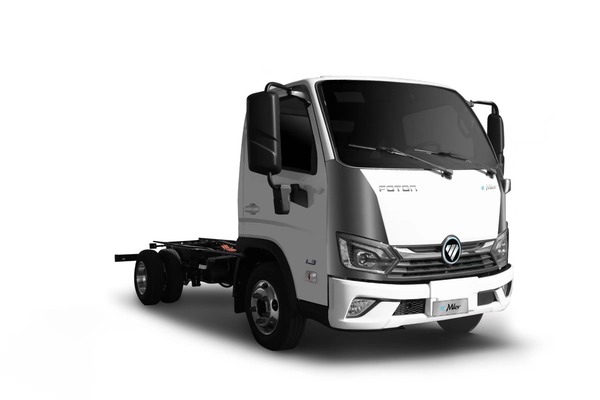

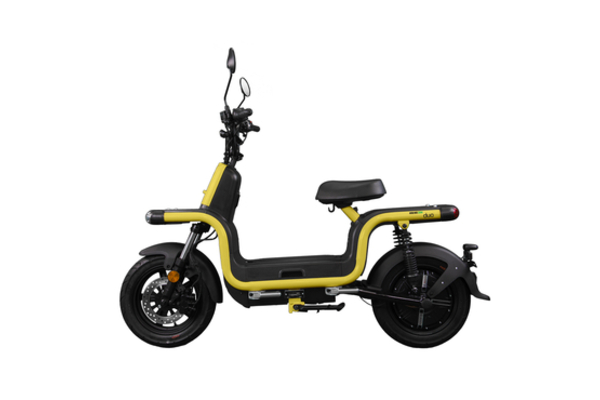
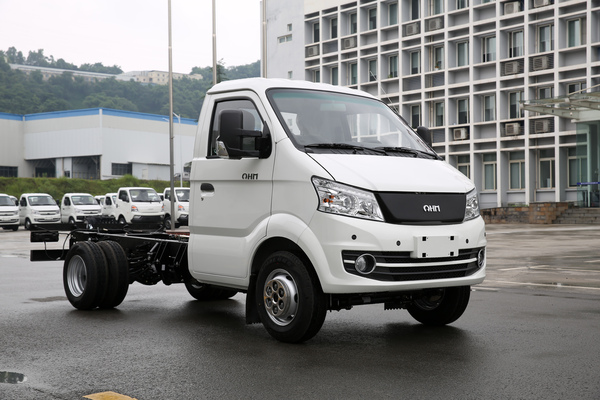

We would welcome the opportunity to demonstrate our vehicle range to fellow NCDA members and discuss how electric mobility can benefit their operations. As part of our commitment to the association, we are also pleased to offer preferential rates and exclusive member discounts across our range of vehicles and services.